

Can AI Content Rank on Google? (Truth Explained 2026)
Introduction – The AI Content Boom in 2026
AI-generated content is everywhere in 2026.
From bloggers and affiliate marketers to large media companies, almost everyone is using AI tools like ChatGPT, Gemini, Claude, and Jasper to create content faster than ever before. Tasks that once took several hours can now be completed in minutes.
The growth has been massive.
But one important question still dominates the SEO world:
Can AI content actually rank on Google?
Some people believe Google automatically penalizes AI-written articles. Others claim they are ranking thousands of AI-generated pages without any issues.
The truth is more nuanced.
After multiple Google updates and years of SEO evolution, one thing is now very clear:
Google does not care whether content is written by humans or AI. Google cares about quality, usefulness, originality, and trust.
That is the real answer.
In this article, we will explore:
- What Google officially says about AI content
- The conditions required for AI content to rank
- Why human editing matters
- The dangers of spam AI content
- Understanding EEAT in modern SEO
- Best practices for ranking AI-assisted articles in 2026
Let’s break down the reality behind AI content rankings.
What Google Officially Says About AI Content
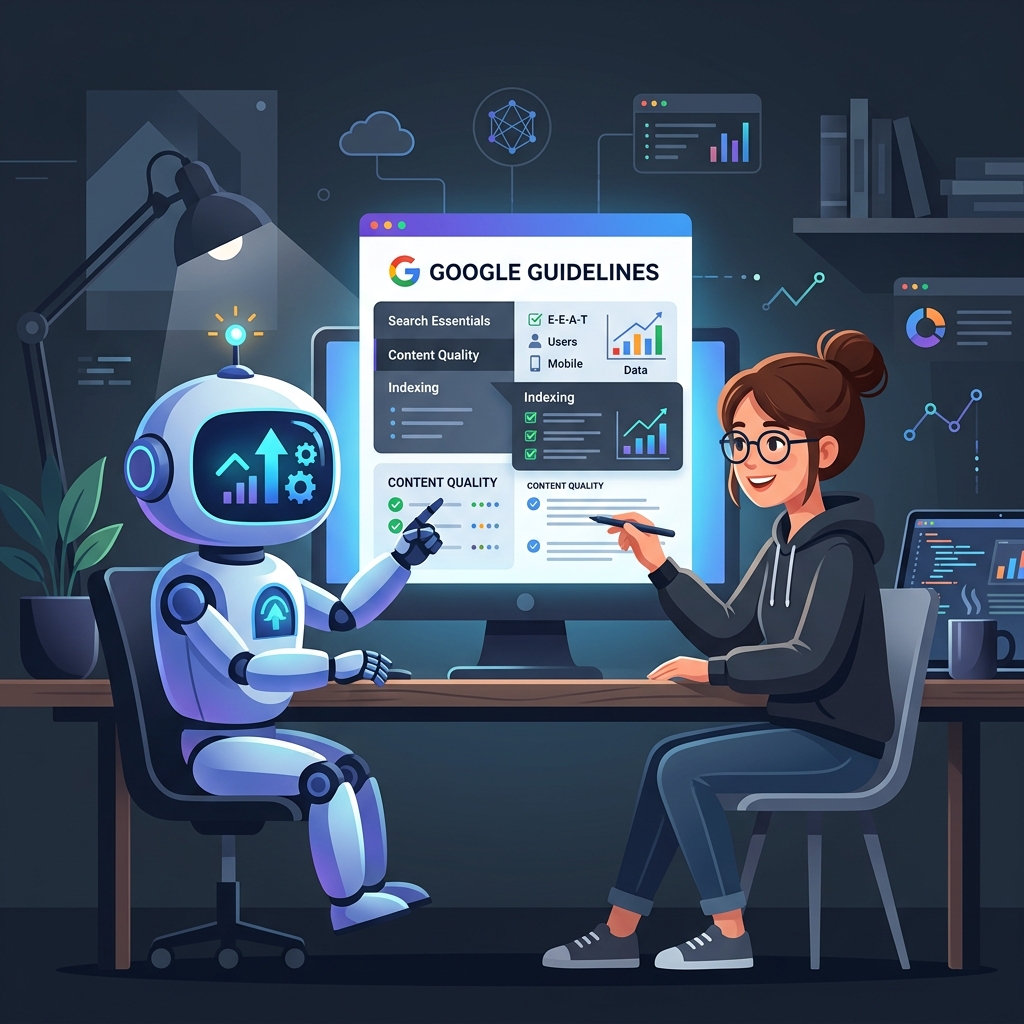
Google has publicly clarified its position on AI-generated content several times.
Contrary to popular belief, Google has never stated that AI content is automatically against its guidelines.
Instead, Google focuses on one core principle:
Content should be helpful, reliable, and created for people.
This means AI-assisted content is allowed.
Google understands that AI can be a useful productivity tool for:
- Research
- Content outlines
- Draft generation
- Idea development
- Language improvement
However, Google strongly opposes:
- Spam automation
- Mass-produced low-quality pages
- Manipulative SEO content
- Thin articles created only to rank
The distinction is extremely important.
The problem is not AI itself.
The problem is poor-quality content.
If an AI-assisted article genuinely helps users, provides accurate information, and satisfies search intent, it can absolutely rank well on Google.
Can AI Content Really Rank on Google?
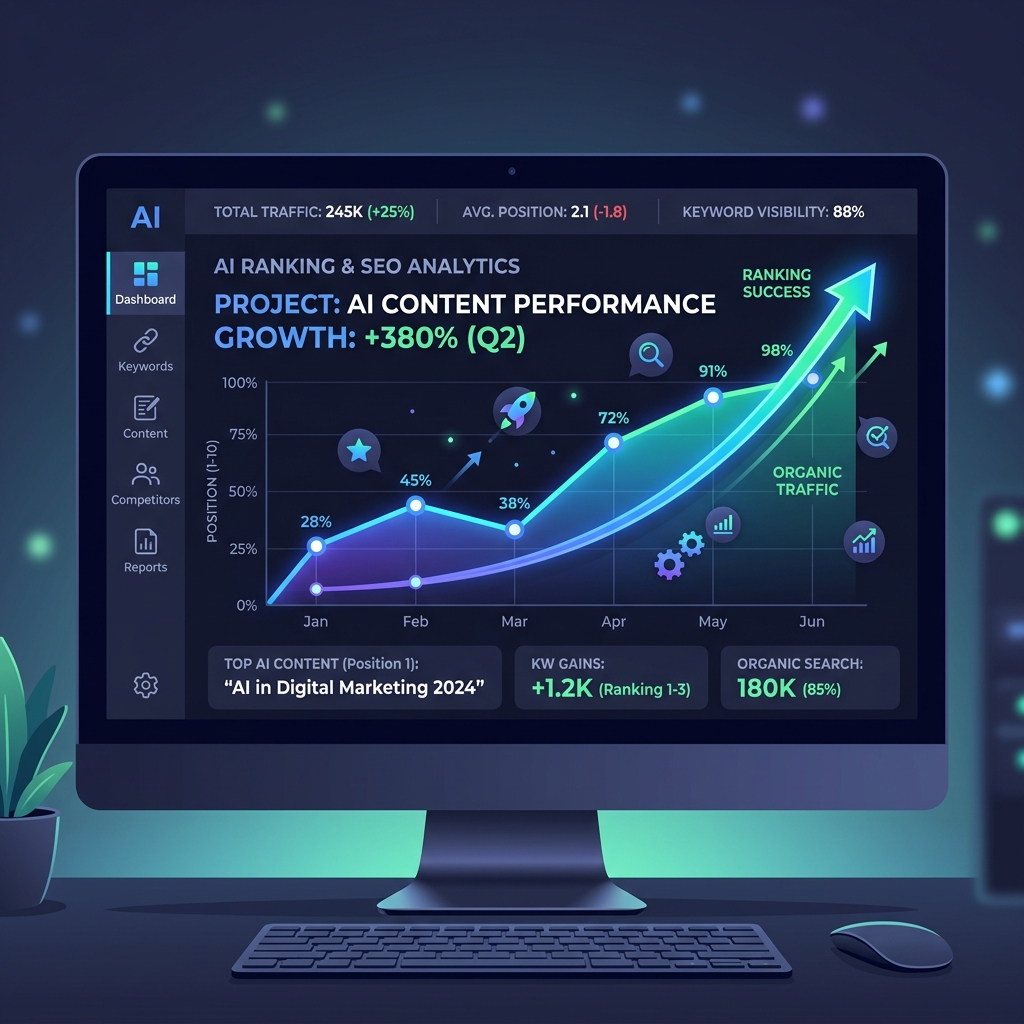
Yes — AI Content Can Rank
Many websites are already ranking successfully with AI-assisted content.
In fact, AI is now part of the workflow for countless bloggers, agencies, and publishers.
But there is a major difference between:
- AI-assisted content and
- Fully automated spam content
That difference determines long-term SEO success.
When testing pure AI-generated articles without human editing, the results are usually inconsistent.
Some pages may rank temporarily. Others may struggle to gain visibility at all.
The biggest reason is that raw AI content often feels:
- Generic
- Repetitive
- Emotionless
- Surface-level
- Predictable
Google’s algorithms are becoming increasingly effective at identifying low-value content patterns.
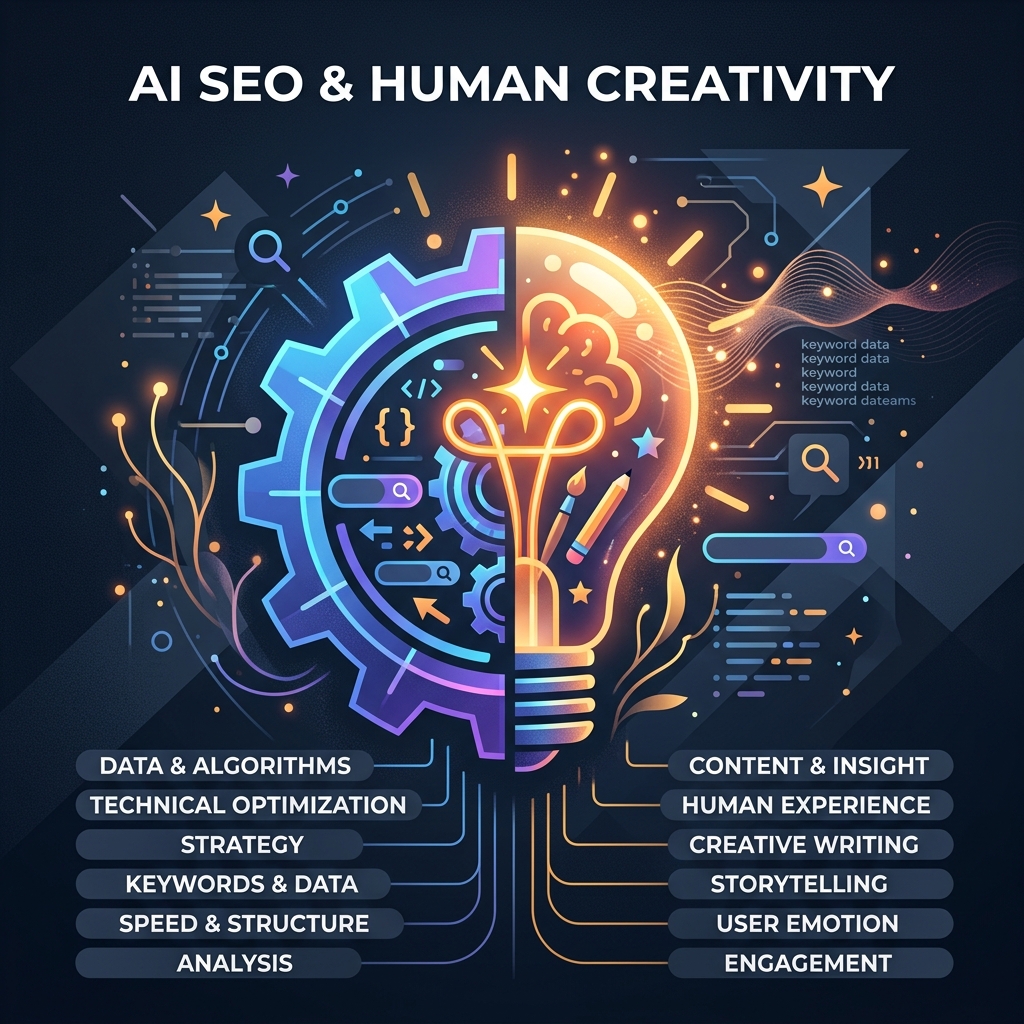
The websites succeeding in 2026 are typically using a hybrid approach:
- AI for speed and efficiency
- Humans for expertise and originality
That combination works extremely well.
Why Human Editing Is Essential

Human editing is one of the most important factors in AI-assisted SEO today.
AI tools are powerful, but they still have limitations.
For example, AI can:
- Summarize information
- Generate article structures
- Explain common concepts
But AI still struggles with:
- Personal experience
- Emotional nuance
- Deep industry insight
- Original storytelling
- Real-world judgment
That human element matters more than ever.
Problems With Raw AI Content
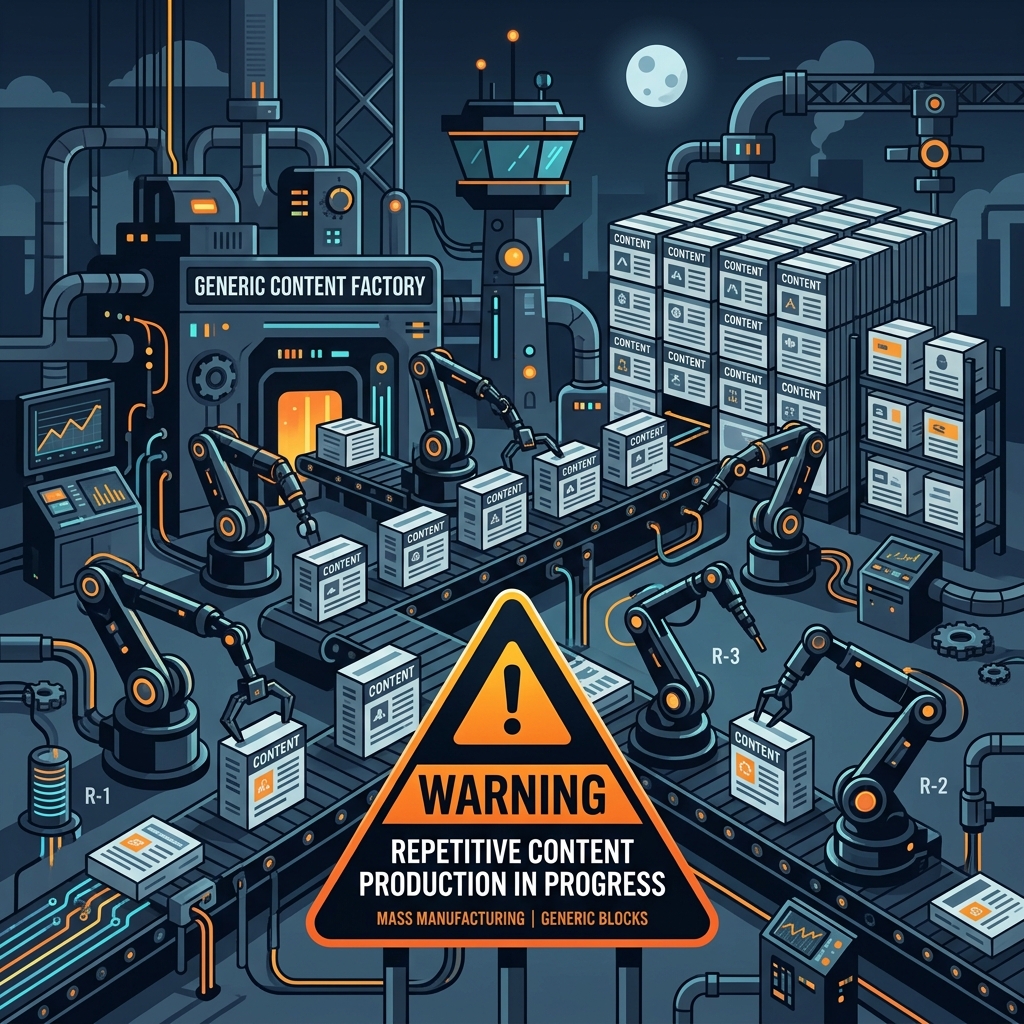
Most unedited AI articles share similar weaknesses.
1. Repetitive Sentence Structures
AI often repeats ideas in slightly different ways.
For example:
- “Google values quality content.”
- “High-quality content performs well.”
- “Quality is important for rankings.”
This creates a robotic reading experience.
2. Generic Explanations
Many AI articles appear long but contain very little meaningful insight.
Readers quickly notice when content lacks depth.
3. Lack of Personality
Human writing naturally includes:
- Opinions
- Emotions
- Experiences
- Unique phrasing
- Storytelling
AI-generated content often feels too polished and predictable.
4. Factual Inaccuracies
AI systems can sometimes generate incorrect information or “hallucinate” facts.
This is why fact-checking is critical.
My Experience Testing AI Content

Over the past year, I experimented with AI-assisted content across multiple niche websites.
One project involved publishing articles generated mostly with AI and only minimal editing.
At first, traffic increased quickly because content production was extremely fast.
However, after several months, rankings started dropping.
The reasons became obvious:
- Weak engagement
- Repetitive writing
- No original insights
- Low average reading time
- Generic explanations
After changing the strategy, the results improved significantly.
Instead of publishing raw AI content, we started:
- Rewriting introductions manually
- Adding personal insights
- Improving readability
- Including examples and case studies
- Expanding topical depth
Several articles eventually ranked on the first page of Google.
That experience confirmed something important:
AI works best as an assistant, not as a replacement for human expertise.
Conditions for AI Content to Rank
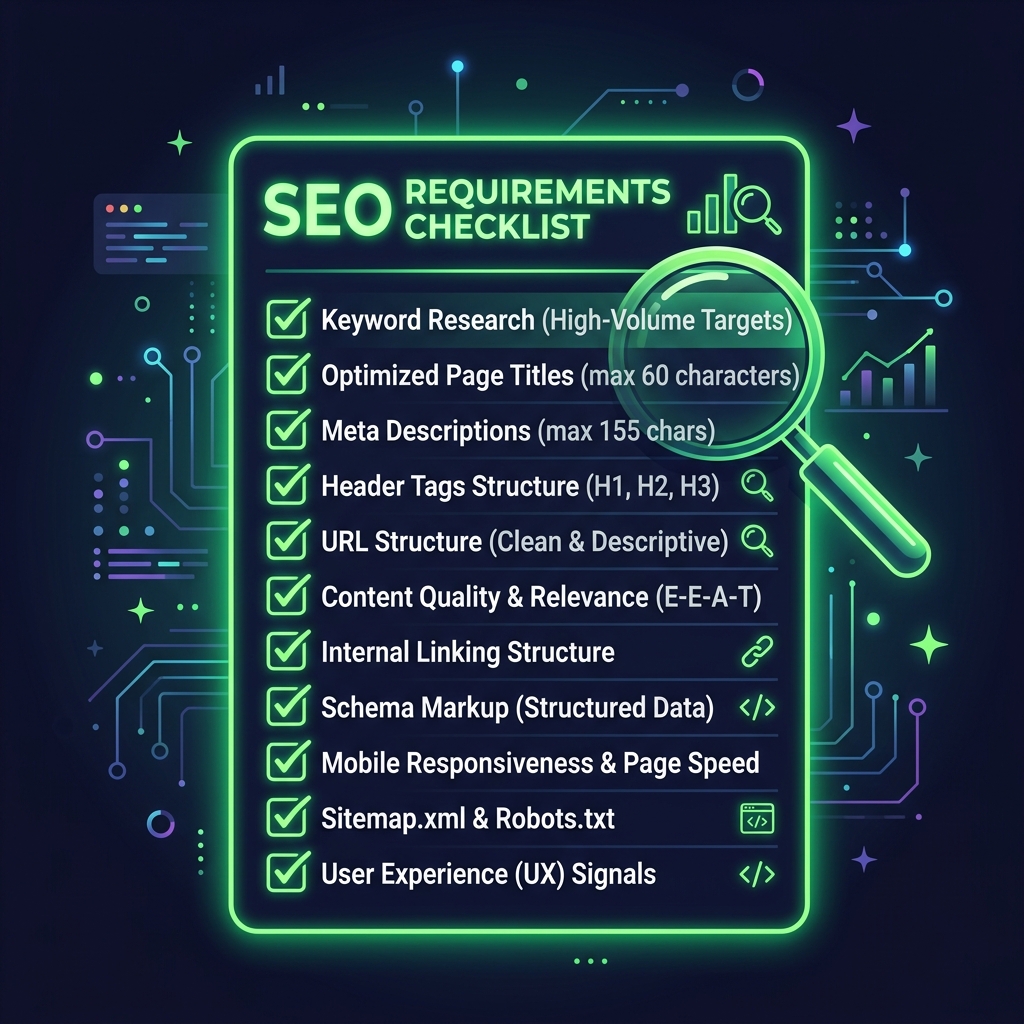
Not every AI-generated article will perform well.
Certain conditions must be met for sustainable rankings.
1. The Content Must Be Helpful
This is the foundation of modern SEO.
Ask yourself:
- Does the article solve a problem?
- Does it answer the user’s question clearly?
- Is the information practical and valuable?
- Would users stay and read the entire article?
Helpful content performs better over time.
2. Search Intent Must Match
Understanding search intent is essential.
For example, if someone searches:
“Best budget smartphones under $300”
They expect:
- Product comparisons
- Pros and cons
- Performance details
- Recommendations
- Real analysis
If the article only provides generic information, users leave quickly.
That hurts rankings.
3. Originality Matters
One of the biggest weaknesses of AI is that it often produces average internet-style content.
Google values originality.
This includes:
- Unique perspectives
- Real examples
- Expert opinions
- Personal experiences
- Fresh insights
Originality helps content stand out.
4. Strong On-Page SEO
Even excellent content still requires SEO optimization.
Important ranking factors include:
- Keyword placement
- Title tags
- Meta descriptions
- Internal linking
- Page speed
- Mobile optimization
- Structured headings
AI content without SEO strategy struggles to compete.
Understanding EEAT in 2026

EEAT has become one of the most important concepts in modern SEO.
EEAT stands for:
- Experience
- Expertise
- Authoritativeness
- Trustworthiness
Google uses these signals to evaluate content quality and credibility.
Experience
Does the writer have real-world experience with the topic?
For example, someone who personally tested a product provides stronger value than someone simply rewriting online information.
Adding real experiences strengthens content significantly.
Expertise
Expert-level understanding matters.
This is especially important for topics involving:
- Health
- Finance
- Technology
- Legal advice
- Medical information
Low-quality AI content struggles heavily in these areas.
Authoritativeness
Authority comes from:
- Backlinks
- Brand recognition
- Industry mentions
- Strong topical coverage
- Reputation
Even high-quality content benefits from strong authority signals.
Trustworthiness
Trust is critical.
Google evaluates:
- Accuracy
- Transparency
- Reliable information
- Website security
- Clear authorship
Trustworthy websites perform better long term.
The Dangers of Spam AI Content
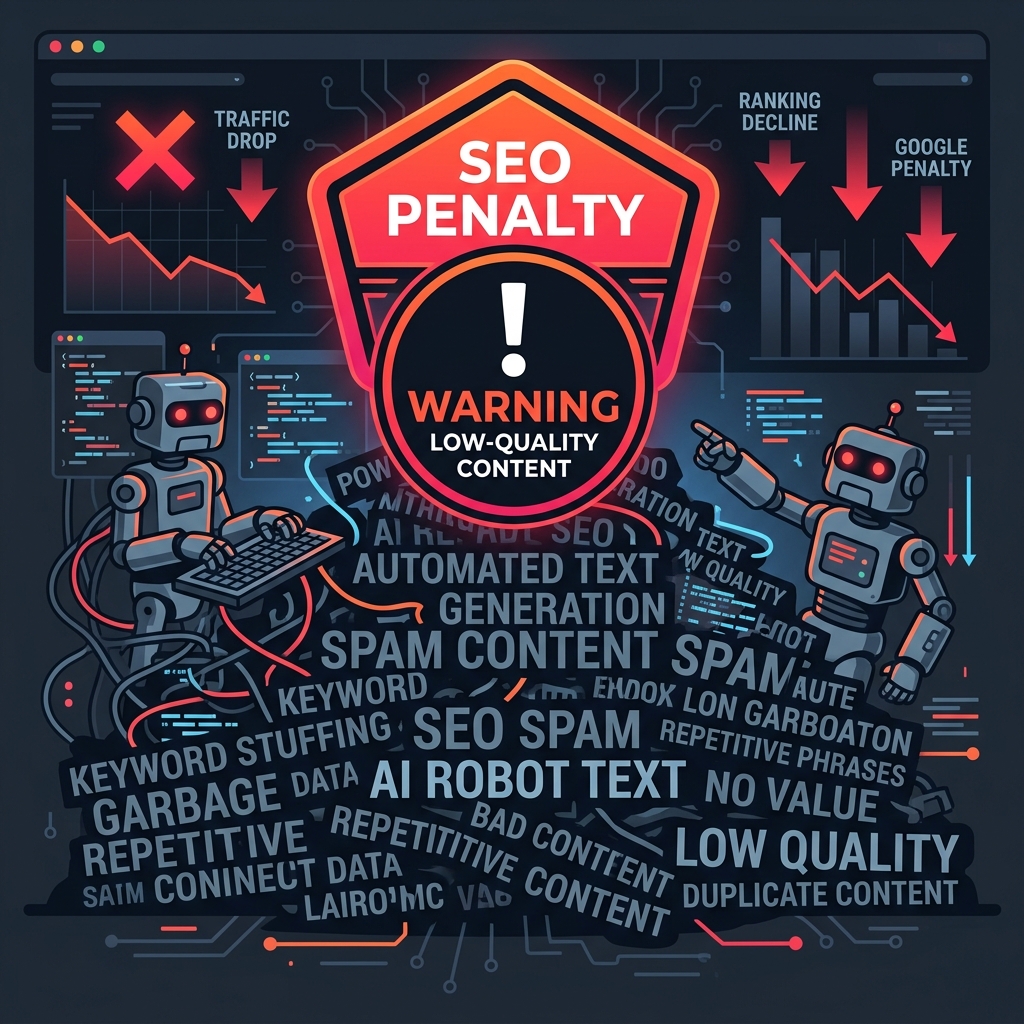
Many website owners make a serious mistake:
They publish massive amounts of fully automated AI content without quality control.
This strategy is risky.
Some sites publish:
- Hundreds of articles daily
- Thin AI-generated pages
- No editing
- No expertise
- No originality
While some of these websites may see temporary traffic spikes, many eventually lose rankings after algorithm updates.
Google’s systems are becoming better at detecting:
- Spam patterns
- Thin content
- Low-value automation
- Manipulative SEO tactics
Quality always wins in the long run.
Best Practices for Ranking AI Content in 2026
Now let’s focus on what actually works.
1. Use AI as a Productivity Tool
AI should support your workflow, not completely replace human input.
Use AI for:
- Research assistance
- Draft generation
- Outlines
- Brainstorming
Then improve the content manually.
2. Add Real Experiences
Personal experience dramatically improves content quality.
Include:
- Case studies
- Lessons learned
- Real testing
- Mistakes
- Results
This builds authenticity.
3. Rewrite Key Sections Manually
AI-generated introductions and conclusions often sound generic.
Manual rewriting creates:
- Better engagement
- Stronger emotional connection
- More natural flow
4. Improve Readability
Readable content performs better.
Use:
- Short paragraphs
- Clear headings
- Bullet points
- Conversational language
Good formatting improves user experience.
5. Fact-Check Everything
Never publish AI-generated information without verification.
Always check:
- Statistics
- Quotes
- Dates
- Product details
- Technical claims
Accuracy builds trust.
6. Build Topical Authority
Instead of publishing random articles, focus deeply on one niche.
For example, if your niche is SEO, create content about:
- AI SEO
- Technical SEO
- Link building
- Keyword research
- Google algorithm updates
This strengthens authority signals.
7. Update Content Regularly
Fresh content often performs better.
Update articles with:
- New statistics
- Recent trends
- Current examples
- Latest SEO changes
Google values updated information.
The Biggest Misconception About AI Content
Many people still believe:
AI-written content automatically fails.
That is not true.
At the same time:
Human-written content is not automatically good either.
A poorly written human article can fail.
A well-edited AI-assisted article can succeed.
The real ranking factor is value.
That is what matters most.
The Future of AI Content SEO

AI-assisted publishing will continue growing rapidly.
But the future winners will not be those who publish endless automated articles.
The winners will be creators who combine:
- AI efficiency
- Human creativity
- Real expertise
- Original insights
- Strong SEO strategy
That combination is extremely powerful.
Final Conclusion
So, can AI content rank on Google in 2026?
Yes — absolutely.
But only when it provides genuine value to users.
Google does not punish content simply because AI helped create it.
What Google actually targets is:
- Spam
- Manipulative automation
- Thin content
- Low-quality pages
If you use AI responsibly, add human expertise, improve trust signals, and focus on helping readers, AI-assisted content can perform exceptionally well in search results.
The smartest strategy in 2026 is simple:
Use AI for speed. Use humans for quality. Use experience for trust.
That is the real future of SEO content.

