

1. Introduction

A lot of people start blogging with one expectation—write content and traffic will come. But after publishing a few posts, reality hits. Nothing moves.
I went through the same phase.
The problem wasn’t writing. It was writing without direction.
That direction comes from understanding what people are searching for. And that’s exactly what keyword research helps you do.
In 2026, search engines are no longer dependent on exact words alone. They evaluate meaning, intent, and usefulness. So instead of forcing keywords into content, the smarter approach is to align your content with real user queries.
Once you understand this shift, SEO becomes much simpler—and much more effective.
2. What is a Keyword?

A keyword is simply the phrase someone enters into a search engine.
Nothing complicated.
Examples:
- “best budget phone under 20000”
- “how to start a blog step by step”
- “home workout plan for beginners”
Each search reflects a specific need.
Think of keywords as signals. They tell you what your audience wants right now. If your content matches that signal, your chances of appearing in search results increase.
Without this alignment, even well-written content can go unnoticed.
3. Types of Keywords

Understanding the different types of keywords is crucial for planning your content strategy. Here is a breakdown:
| Keyword Type | Description | Search Volume | Competition | Best For | Example |
|---|---|---|---|---|---|
| Short-Tail | Broad terms (1-2 words). Intent is often unclear. | Very High | Extremely High | Established Sites | "SEO", "laptop" |
| Long-Tail | Specific phrases (3+ words). Clear intent. | Low to Medium | Low to Medium | Beginners / New Sites | "best laptop for students under 50000" |
| Low Competition | Niche phrases with fewer strong competing websites. | Low | Low | Rapid Ranking | "SEO tips for beginners in Tamil" |
Short-Tail Keywords
They attract large search volume, but competition is extremely high. Also, the intent behind them is unclear. Someone searching “laptop” could be researching, comparing, or just browsing. Because of this, they’re not ideal for beginners.
Long-Tail Keywords
These are more detailed phrases that reflect a specific need. These keywords may not bring massive traffic individually, but they bring the right audience. From what I’ve seen, most new websites start gaining traction only after focusing on these.
Low Competition Keywords
These are opportunities where fewer strong websites are competing. These keywords allow smaller sites to enter search results faster. If your site is new, this is where you should spend most of your effort.
4. Free Keyword Research Tools

You don’t need expensive software in the beginning. A few simple tools can give you enough data to get started.
Google Keyword Planner
This tool comes from Google Ads. It helps you:
- Discover keyword ideas
- View approximate search volume
- Understand competition levels
While the data is not always precise for SEO, it still gives a useful overview.
Ubersuggest
Ubersuggest simplifies keyword research. You can:
- Explore keyword variations
- Check difficulty levels
- View top-performing pages
It’s especially useful if you’re just starting and don’t want complex tools.
AnswerThePublic
This tool focuses on questions people ask. Instead of just keywords, it shows:
- “how” queries
- “why” questions
- comparison searches
This makes it very useful for blog content ideas.
5. How to Choose the Right Keywords

Finding keywords is easy. Choosing the right ones requires a bit more thinking.
Understand Search Intent
Every search has a purpose behind it.
- “how to lose weight” → learning
- “buy running shoes online” → purchasing
- “best phones under 30000” → comparing
If your content doesn’t match this intent, it won’t perform well.
Look Beyond Search Volume
High numbers can be misleading. A keyword with moderate searches but lower competition often performs better than a highly competitive one.
Stay Relevant
Choose keywords that align with your topic and audience. For example, if your blog focuses on fitness, targeting unrelated topics won’t help your growth.
Why Long-Tail Keywords Work Better
More specific keywords:
- face less competition
- attract targeted users
- improve engagement
For beginners, this is the most practical starting point.
6. How to Analyze Keyword Competition

Before finalizing a keyword, take a few minutes to study the search results.
Check Google Results
Search your keyword and observe:
- who ranks
- content format
- depth of information
If results are dominated by large websites, ranking may take longer.
Evaluate Content Quality
Ask:
- Is the information outdated?
- Can I explain it more clearly?
- Can I add more value?
If yes, you have an opportunity.
Understand Backlinks (Basic Idea)
Some pages rank because other websites link to them. More quality links generally increase credibility in search engines.
Look at SERP Features
Search results may include:
- featured snippets
- videos
- FAQs
These indicate how content should be structured.
7. Advanced Keyword Research Strategies (2026)

Once you’re comfortable with the basics, you can move to more structured strategies.
Topic Clusters
Instead of isolated posts, build connected content.
Example: Main topic: Blogging
- keyword research
- content writing
- SEO basics
This helps search engines understand your expertise.
Use Related Terms Naturally
Instead of repeating the same phrase, include variations and related words. This improves readability and relevance.
Study Competitors
Look at:
- which pages bring them traffic
- what keywords they target
Then create improved versions of those topics.
Follow Trends
Search trends change quickly. Topics like “AI tools for SEO 2026” can bring quick visibility if timed well.
Target Narrow Opportunities
Very specific keywords often have minimal competition. Example: “SEO tips for small YouTube channels in Tamil” These are easier to rank and build initial traffic.
8. Common Mistakes to Avoid

- Going after highly competitive keywords too early
- Ignoring what the user actually wants
- Overusing the same keyword repeatedly
- Skipping competitor analysis
- Choosing topics outside your niche
- Publishing without a clear keyword focus
Avoiding these mistakes saves a lot of time.
9. Beginner-Friendly Strategy
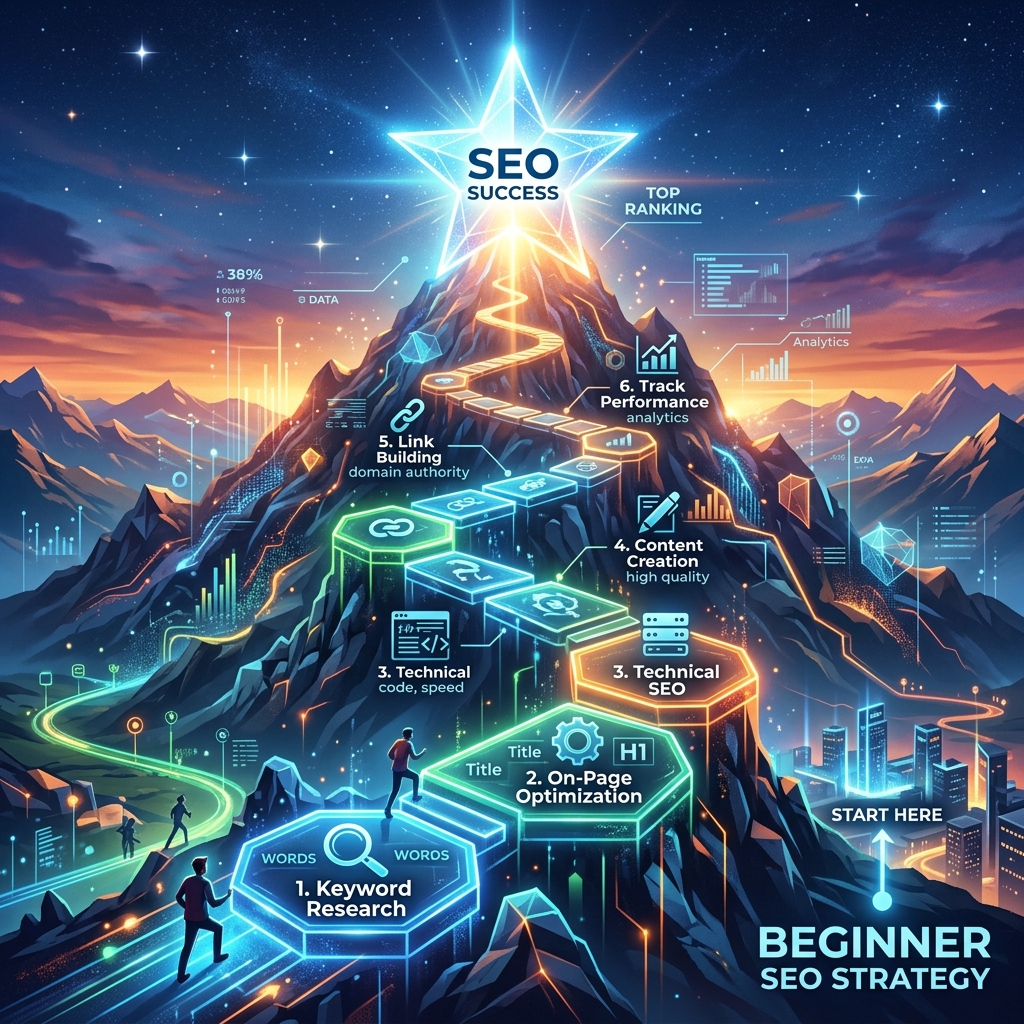
If you’re just starting, keep it simple.
- Choose a clear niche
- Find specific (long-tail) keywords
- Check search results manually
- Pick keywords with weaker competition
- Create helpful, easy-to-read content
- Repeat consistently
Example
Keyword: “how to start a blog in India”
Approach:
- explain step-by-step
- include tools
- answer common questions
This type of content performs well over time.
10. Conclusion

Keyword research doesn’t have to be complicated.
At its core, it’s about understanding what people are looking for and creating content that answers those needs clearly.
If you’re a beginner:
- focus on specific keywords
- avoid heavy competition
- prioritize clarity over complexity
As you gain experience, you can explore more advanced strategies.
For now, consistency matters more than perfection.
Start small, keep improving, and results will follow.


